Verdict
B
Mini Cooper — spec data and generation history.
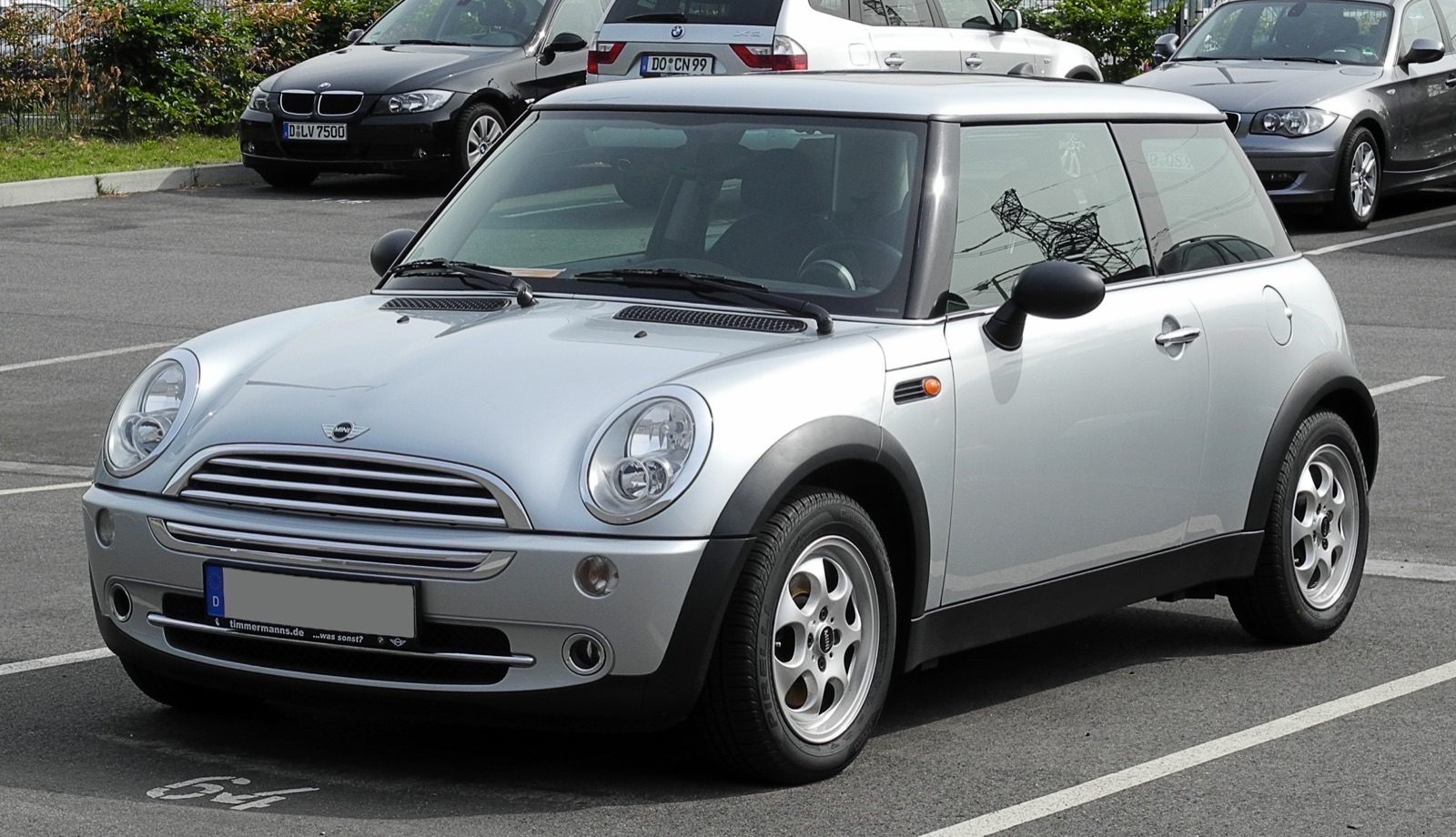
BMW's modern Mini hatch — Cooper, Cooper S, Cooper SD and Mini One trims (JCW covered separately). R50/R53 (2001–2006) was the first BMW-era Mini with the supercharged 1.6 in the S; R56 (2006–2014) introduced the Prince 1.6 turbo (Peugeot collab) on Cooper S; F56 (2014–2024) moved to BMW B-series engines (1.5 / 2.0 turbo) and added a five-door; F66 / J01 (2024–Present) is the current car — petrol F66 hatch and electric J01 Cooper E/SE on the same body. Always charming, never quite as cheap as the original 1959 Mini was — and the new electric is the most expensive yet.
Era-to-era deltas
Click any generation for the full deep dive
Cooper S R53 1.6 SC — 168 bhp, 0-60 in 7.2s.
Cooper S 1.6T — 173 bhp, 0-60 in 6.8s.
Cooper S 2.0T — 192 bhp, 0-60 in 6.5s.
Cooper SE Electric — 215 bhp, 0-60 in 6.7s.
Common faults reported on each generation — useful when shopping the used market.
Audi A1 · Volkswagen Polo · Fiat 500 · Ford Fiesta