
Verdict
A
Lotus Elise — spec data and generation history.
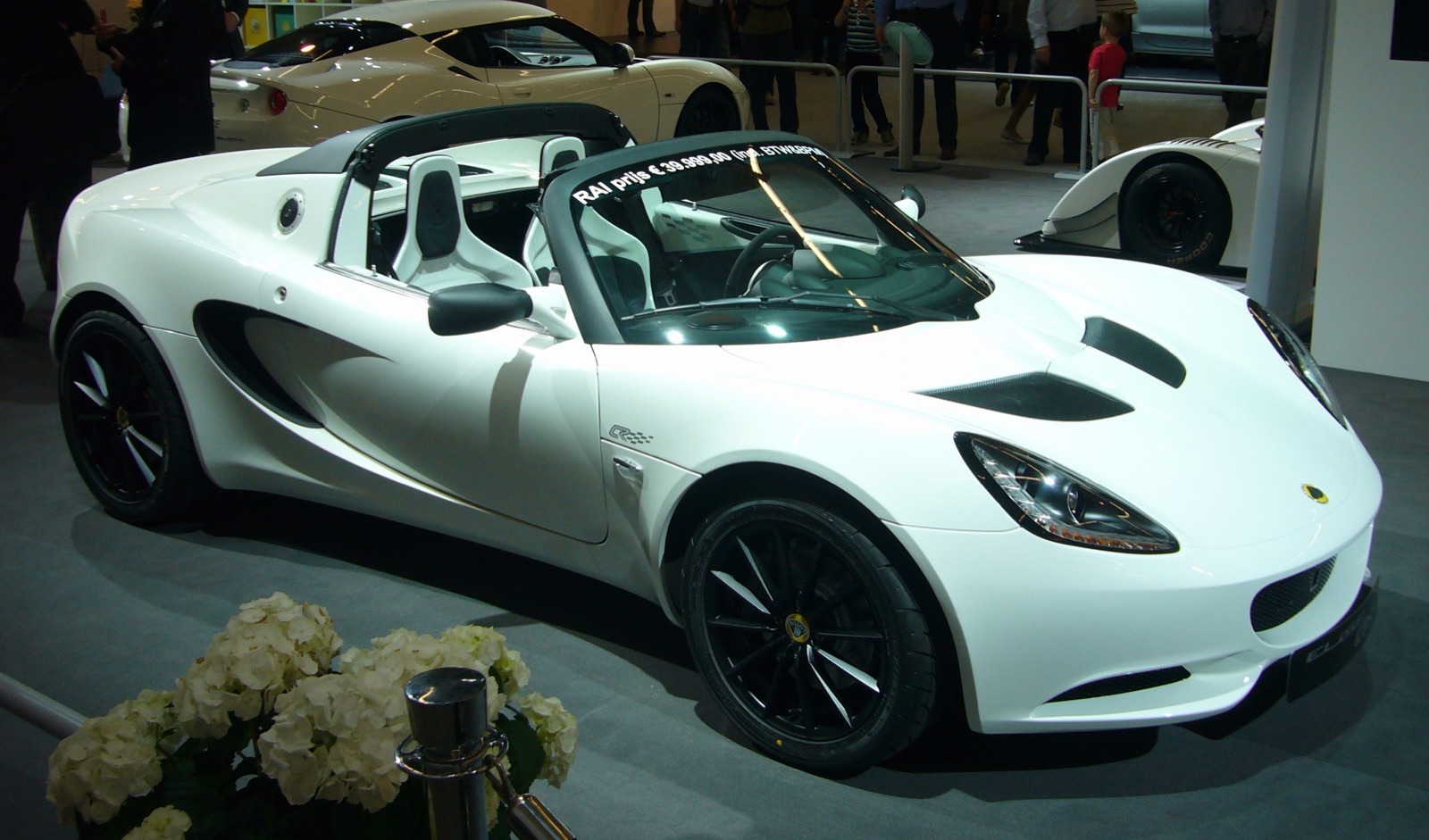
Lotus's bonded-aluminium two-seat roadster — the car that saved Lotus, defined the modern lightweight philosophy, and lent its chassis to the Tesla Roadster. S1 (1996–2001) was Rover K-series 1.8 (118 bhp), kerb weight 731 kg — the original. S2 (2001–2010) brought a stiffer chassis and Toyota 1.8 (1ZR/2ZR/2ZZ) on later cars, including the 189 bhp 111R / Sport 220. S3 (2010–2021) was a major refresh, mostly Toyota 1.8 supercharged in the Cup and Sport variants. The Elise is the modern Lotus blueprint — the lightest sports car of its generation. Replaced by the Emira.
Era-to-era deltas
Click any generation for the full deep dive
1.8 K-series — 118 bhp, 0-60 in 5.5s (731 kg).
111R 1.8 Toyota 2ZZ — 189 bhp, 0-60 in 4.7s.
Cup 250 1.8 SC — 243 bhp, 0-60 in 4.1s.
Common faults reported on each generation — useful when shopping the used market.